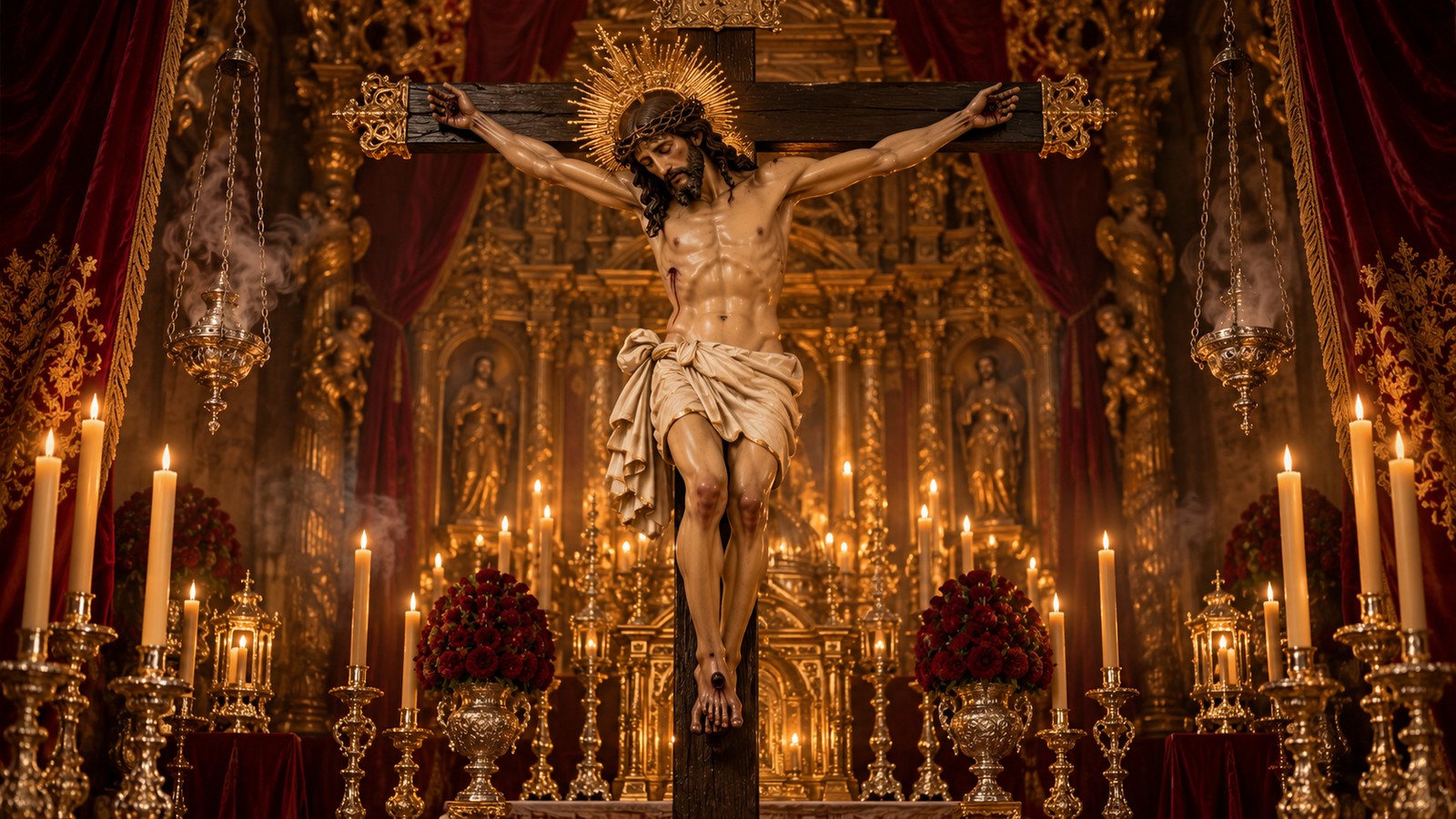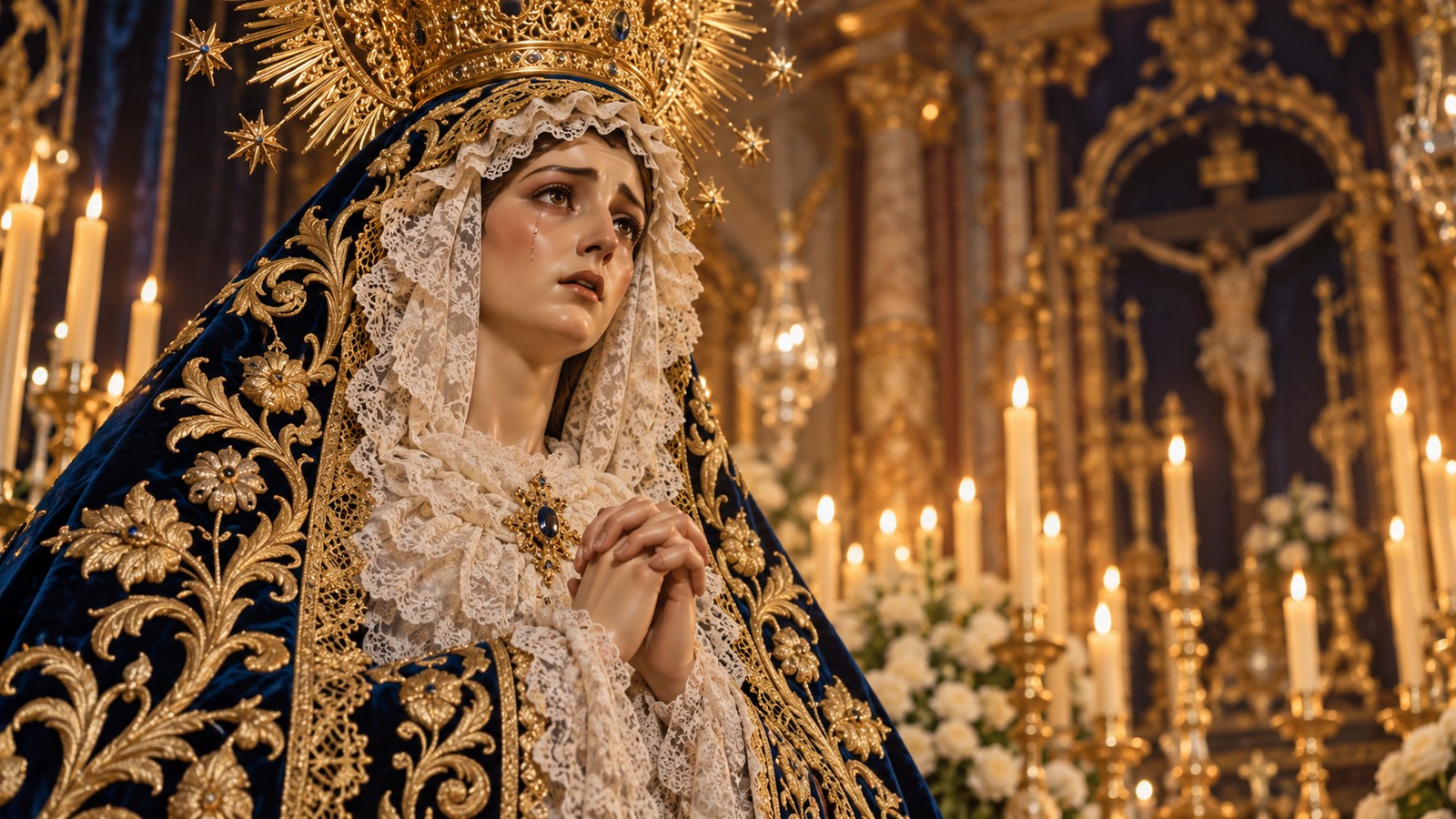
Europe has historically been the heart of Christianity and the place where the Catholic Church consolidated much of its identity and doctrine. From the first Christian communities in Rome to the age of medieval Christendom and the founding of the great Gothic cathedrals, the Church profoundly influenced European culture, philosophy, and politics. However, in recent decades, Europe has undergone massive secularization, which has drastically reduced religious practice and left the Church facing an unprecedented challenge: how to remain relevant on a continent where religion is increasingly perceived as a private matter rather than an essential element of public life.
4.9.1 The Church in Italy and the Vatican: Between History and the Present
Italy, home to Vatican City, has for centuries been the spiritual and administrative center of the Catholic Church. Despite the fall of the Temporal Power of the Popes in 1870, the Pope and the Roman Curia have maintained their global influence from their seat in Rome. Today, the Vatican remains the epicenter of the Church’s ecclesial and diplomatic life, attracting millions of pilgrims and tourists every year.
The Challenge of Secularization: Despite the proximity of the Vatican, religious practice in Italy has declined significantly in recent decades. Many churches are empty, and the number of priests has fallen. However, popular devotion to saints such as Saint Francis of Assisi and Saint Rita remains strong, and events such as Holy Week in Rome still draw crowds.
The Pope and His Political Influence: Although the Vatican is an independent state, its political influence remains strong in Italy. Over the years, the Church has played a moderating role in Italian politics, especially on questions such as marriage and the family. Pope Francis has adopted a more pastoral and less political approach, focusing on issues such as migration and poverty and trying to avoid becoming involved in Italian partisan struggles.
4.9.2 The Church in France: Eldest Daughter of the Church and a Bastion of Secularism
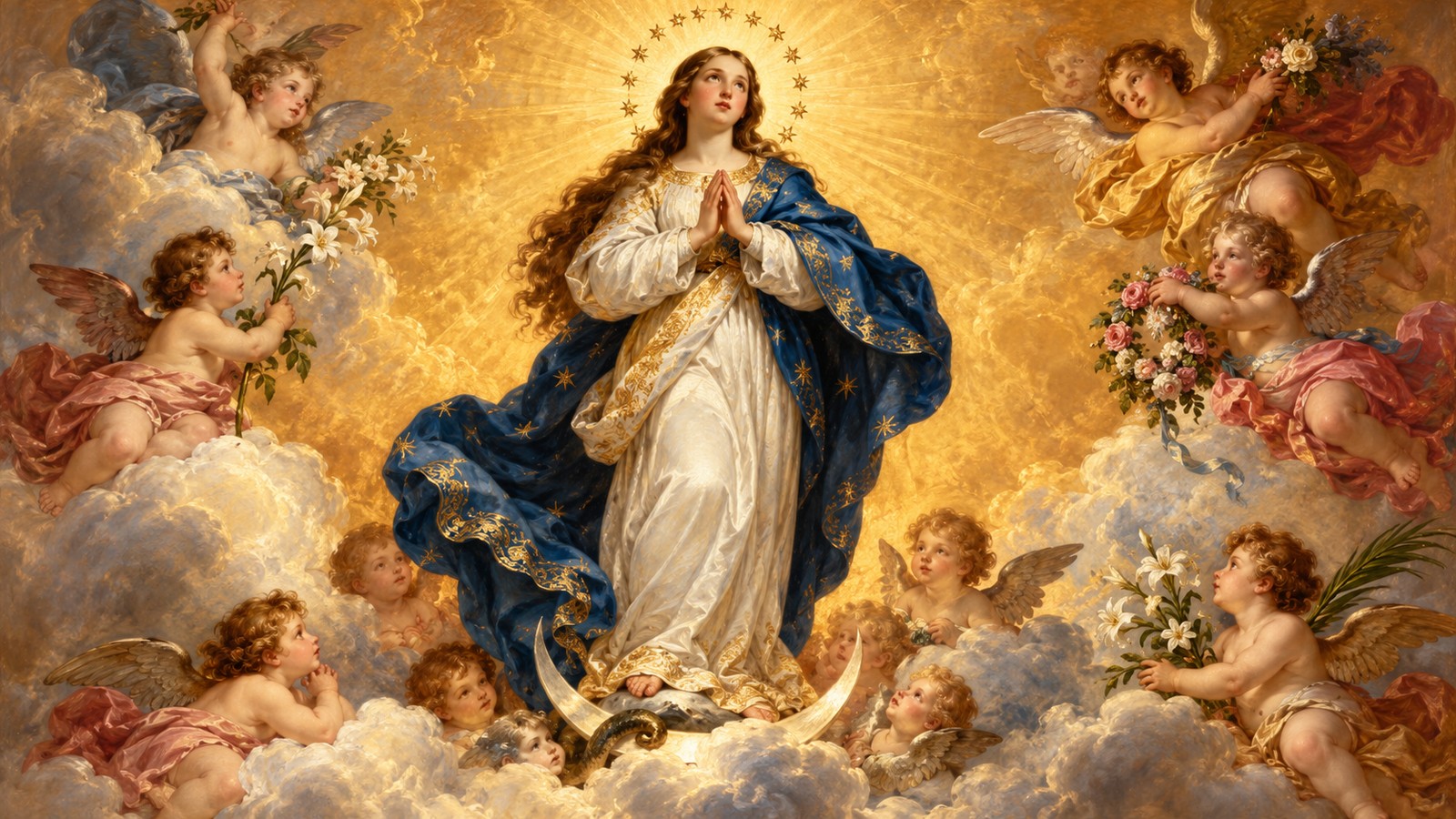
France has historically been known as the ‘Eldest Daughter of the Church’ because of its crucial role in consolidating Christianity in Europe and spreading the Catholic faith during the Middle Ages. However, France is also the country where modern secularism developed most strongly, especially after the French Revolution and the enactment of the Law on the Separation of Church and State in 1905, which established a strict separation between the Church and government.
The Church and Secularism: Today, France is one of Europe’s most secular countries, and Catholic religious practice has fallen to minimal levels. However, the Church continues to play an important role as a moral voice in public debates, such as abortion, euthanasia, and religious education. The Church’s struggle in France is not only for religious freedom, but also for its right to be heard in the public sphere.
New Challenges: The Church in France faces unique challenges, such as terrorism and interreligious dialogue. Attacks on churches and priests, such as the murder of Father Jacques Hamel in 2016, have shaken the Catholic community. However, the Church has responded with a call for peace and the strengthening of dialogue with the Muslim community.
4.9.3 The Church in Spain: Living Faith and Political Struggles
Spain has had an ambivalent relationship with the Catholic Church. Although for centuries it was a bastion of the faith and the Counter-Reformation, with figures such as Saint Ignatius of Loyola and Saint Teresa of Ávila, the Church has also been seen as an ally of the monarchy and political power. After the Spanish Civil War and during Francisco Franco’s dictatorship, the Church was closely linked to the regime, which brought it hostility during the democratic transition.
The Church’s Role Today: Religious practice in Spain has declined, but the Church remains a powerful institution, especially in education and charity. The Spanish Episcopal Conference has been a strong voice in defense of Catholic values, but has also tried to reconcile itself with its past and adapt to a society that increasingly identifies as agnostic or atheist.
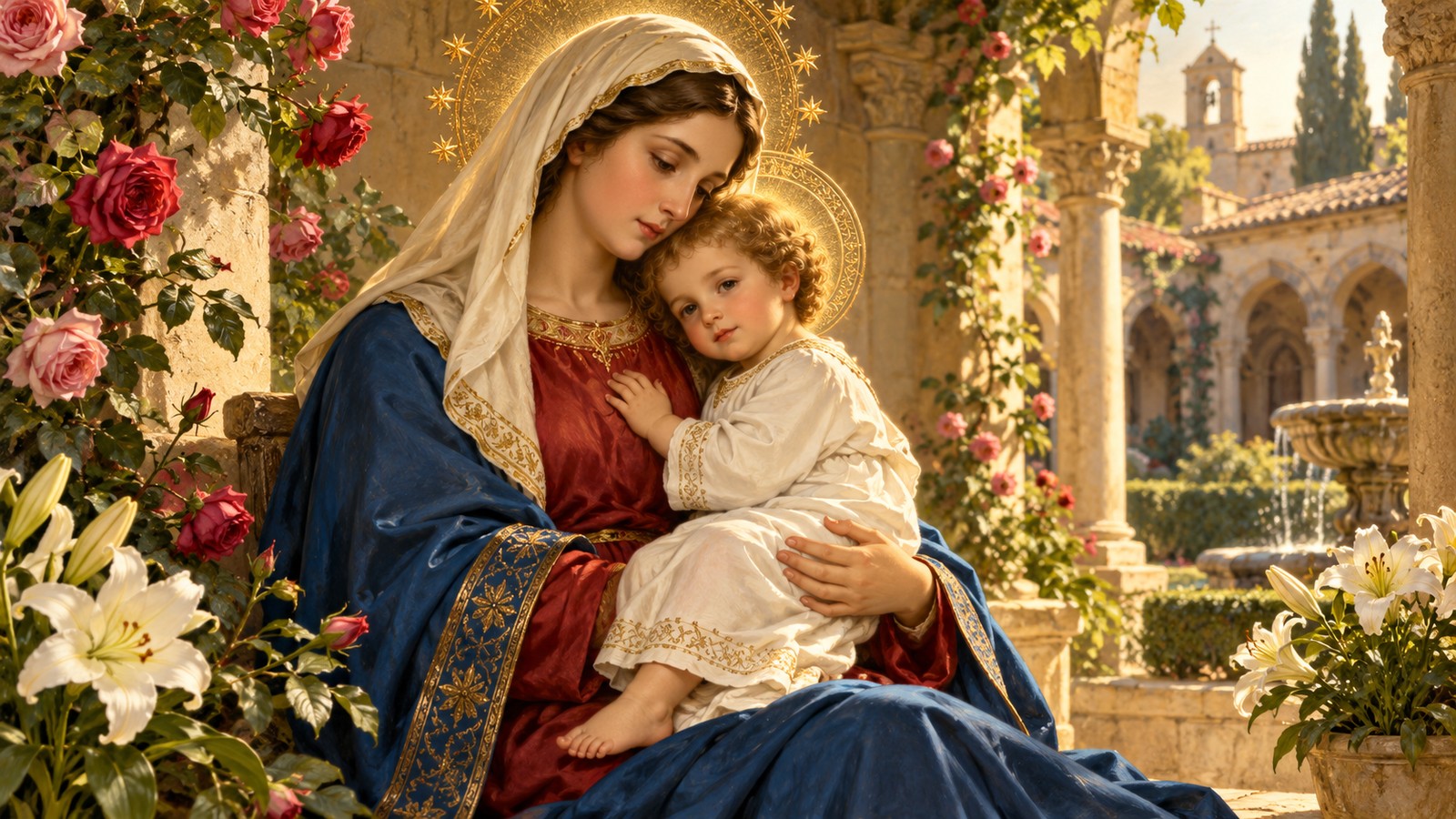
Popular Devotion: Despite secularization, Holy Week in cities such as Seville and Málaga remains an event of great cultural and spiritual importance. Processions and pilgrimages show that, although regular practice has declined, popular faith remains alive.
4.9.4 The Church in Germany: Theological Dialogue and a Crisis of Identity
Germany has historically been an intellectual center of Christianity. It is the birthplace of the Protestant Reformation and the home of figures such as Martin Luther. Despite these historical divisions, Germany has also given the Catholic Church influential theologians such as Karl Rahner and Joseph Ratzinger, who became Pope Benedict XVI.
Ecumenical Dialogue: The Catholic Church in Germany has been at the forefront of ecumenical dialogue with Protestant churches. The German Episcopal Conference has promoted initiatives to overcome divisions and find common ground, especially on issues such as social ethics and bioethics.
The Crisis of the Clergy: Germany has also been the epicenter of an ecclesial crisis related to abuse scandals and the loss of the clergy’s credibility. The number of Catholics leaving the Church has increased, and many dioceses are undergoing restructuring. However, the Church in Germany remains influential and plays an important role in education and charity.
4.9.5 The Church in Eastern Europe: Resilient Faith after Communism
In Eastern European countries such as Poland, Hungary, and Romania, the Catholic Church was for decades a bastion of resistance to communist regimes. Pope John Paul II, a native of Poland, was a key figure in the fall of communism and remains a symbol of hope for many Catholics in the region.
The Challenge of Modernity: After the fall of communism, the Church has had to adapt to new realities. Although religious practice remains high, secularization and the loss of vocations are major challenges. The Church has tried to redefine its role in societies that, although formally Catholic, are increasingly influenced by materialism and moral relativism.
Nationalism and the Church: In some countries, such as Poland and Hungary, the Church has been criticized for its closeness to nationalist movements. This has generated divisions within the Church and led to debates over the role of Catholicism in national politics.