The Catholic Church is truly universal in its reach, but also remarkably diverse in its expression and practices. Although the Church is governed by the same Magisterium and follows the teachings of the Apostolic See in Rome, the way in which the faith is lived and practiced can vary significantly from one country to another. This diversity is seen not as an obstacle but as a richness that demonstrates Catholicism’s multicultural character and adaptability. Through a process known as inculturation, the Church has found ways to integrate local traditions and customs into the practice of the faith, maintaining unity in diversity. In this chapter, we will explore some of the most notable particularities of the Church in different countries and how these have influenced its mission and witness.
4.8.1 The Church in Latin America: A Popular Faith Committed to Social Justice
Latin America is the region with the largest Catholic population in the world, and the Church in this region has developed distinctive characteristics reflecting its colonial history, its struggle for social justice, and the deep popular devotion of its faithful. Christianity arrived in Latin America during the Spanish and Portuguese conquest, leaving a lasting mark on the continent’s culture and religion. Since then, the Church has been a dominant force in social and political life, although its influence has had its ups and downs.
Liberation Theology: In the 1960s and 1970s, Liberation Theology emerged as a theological and pastoral response to the oppression and poverty that marked the lives of millions of people in the region. Theologians such as Gustavo Gutiérrez and Leonardo Boff developed an approach that saw Christ as the liberator of the poor and called on the Church to become actively involved in the struggle for social justice. Although the Vatican was initially cautious about this current, many elements of Liberation Theology have been integrated into the Church’s Social Doctrine, especially in the Latin American context.
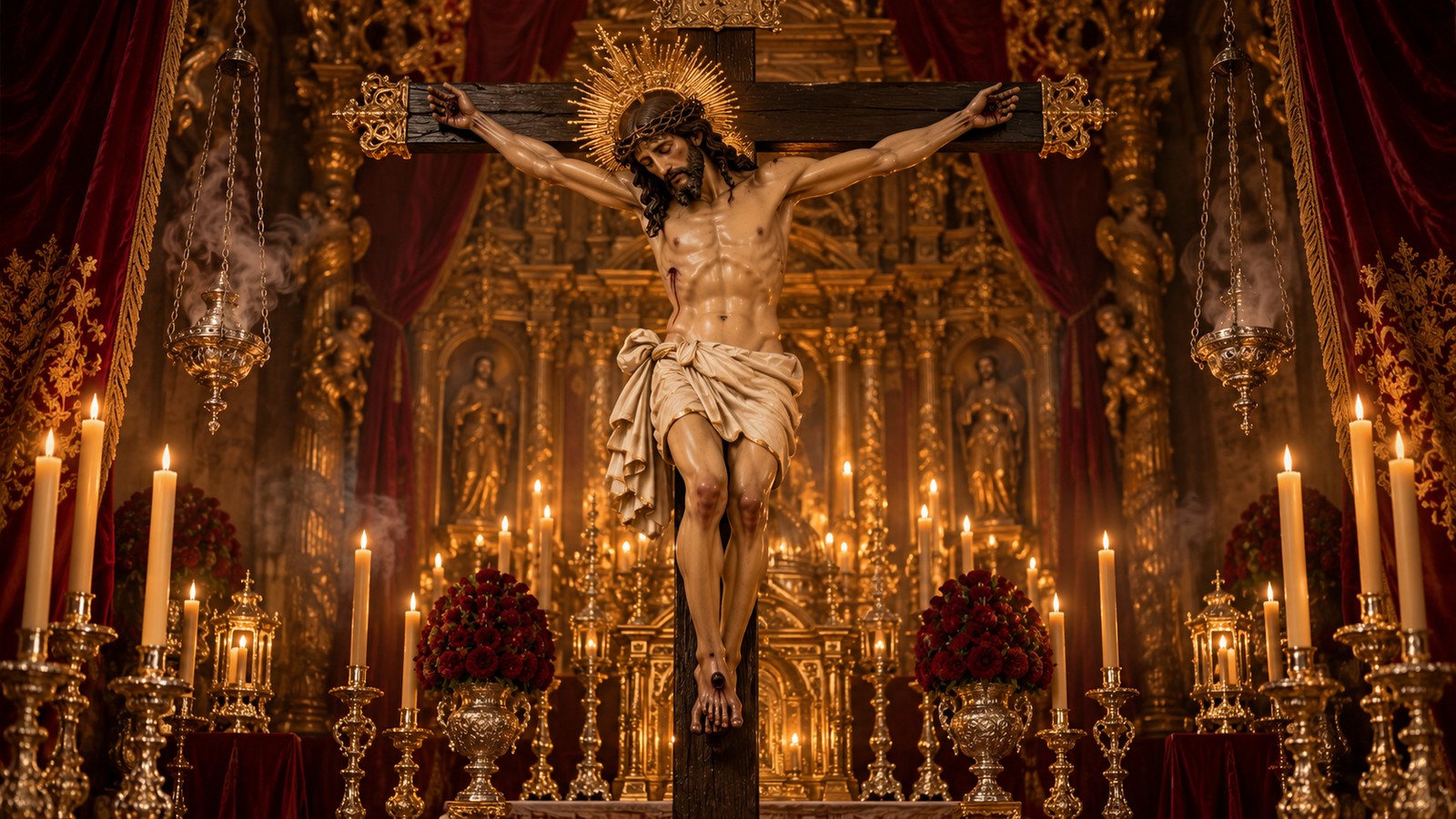
Popular Devotion: Popular devotion in Latin America is remarkably intense and diverse. Celebrations such as those of Our Lady of Guadalupe in Mexico, Our Lady of Charity of El Cobre in Cuba, and the Procession of Our Lady of Copacabana in Bolivia bring together millions of faithful every year. These devotions reflect a deeply rooted faith that combines elements of Christianity with Indigenous and Afro-descendant traditions, creating a unique and vibrant spirituality.
The Church’s Role in Politics: In many Latin American countries, the Church has been a moral force denouncing the abuses of dictators and promoting the defense of human rights. Figures such as Archbishop Óscar Romero in El Salvador and Cardinal Raúl Silva Henríquez in Chile are examples of bishops who risked their lives to defend the oppressed. The Church’s influence on politics remains strong, especially on issues such as abortion, marriage, and economic justice.
4.8.2 The Church in Africa: Vibrant Faith and Development Challenges
The Church in Africa has experienced spectacular growth in recent decades. Today, Africa is one of the regions of greatest Catholic growth in the world, with vibrant communities that combine Christian tradition with local customs and practices. However, the African Church also faces unique challenges, such as extreme poverty, political instability, and interreligious dialogue with Islam.
Inculturation and Liturgy: Inculturation has been a fundamental principle in the Church’s mission in Africa. This means adapting liturgy, music, and catechesis to local cultures. In many African communities, Masses include traditional music and dances, and preaching takes place in local languages. The Episcopal Conference of Africa and Madagascar has actively promoted this inculturation, insisting that the Catholic faith must be truly African in its expression.
Social Commitment: The Church in Africa is deeply committed to human development and social justice. Through its numerous schools, hospitals, and vocational training centers, the Church provides essential services to millions of people, especially in rural areas that state programs do not reach. Furthermore, the Church has been a prophetic voice in denouncing corruption, abuses of power, and the exploitation of natural resources by foreign corporations.
Interreligious Dialogue: In many African countries, such as Nigeria and Sudan, coexistence between Christians and Muslims is a delicate reality. The Church has worked hard to promote interreligious dialogue and reconciliation between communities often caught up in violent conflicts. Commitment to peace and peaceful coexistence is a central element of the Church’s mission in Africa.
4.8.3 The Church in Asia: A Creative Minority and a Witness of Faith
Asia is the continent with the smallest proportion of Catholics, but the communities that exist in countries such as the Philippines, India, and China are remarkably dynamic and resilient. The Church in Asia faces challenges such as secularism, persecution, and proselytism by other religions, but it has been able to adapt and find innovative ways of bringing the Gospel to its peoples.
The Challenge of Persecution: In countries such as China and Vietnam, the Church operates under severe restrictions and, in some cases, faces open persecution. Bishops and priests are often imprisoned or have to practice their faith clandestinely. However, despite these difficulties, the Church in China continues to grow, and millions of Catholics practice their faith with courage and fidelity.
Silent Witness: In other countries, such as India and Pakistan, the Church faces discrimination and harassment from radical groups. However, the Church has chosen silent witness through service and education. Catholic schools and hospitals are recognized for their excellence and their openness to people of all beliefs, which has helped improve the Church’s image in often hostile settings.
The Church and Interreligious Dialogue: In Muslim- or Buddhist-majority countries, the Church has developed intensive activity in interreligious dialogue. Through institutions such as the Pontifical Council for Interreligious Dialogue, the Church promotes understanding and cooperation with other religions, especially in the areas of ethics, education, and the defense of human dignity.