← Library✠ The Catholic Church
✠ This book is written from faith. ✠
Illustrated edition · 2026 · ES / EN / LA
Contents ↗Chapter 4. The Structure and Functioning of the Catholic Church

4.3 The Territorial Organization of the Church: Dioceses, Parishes, and Episcopal Conferences

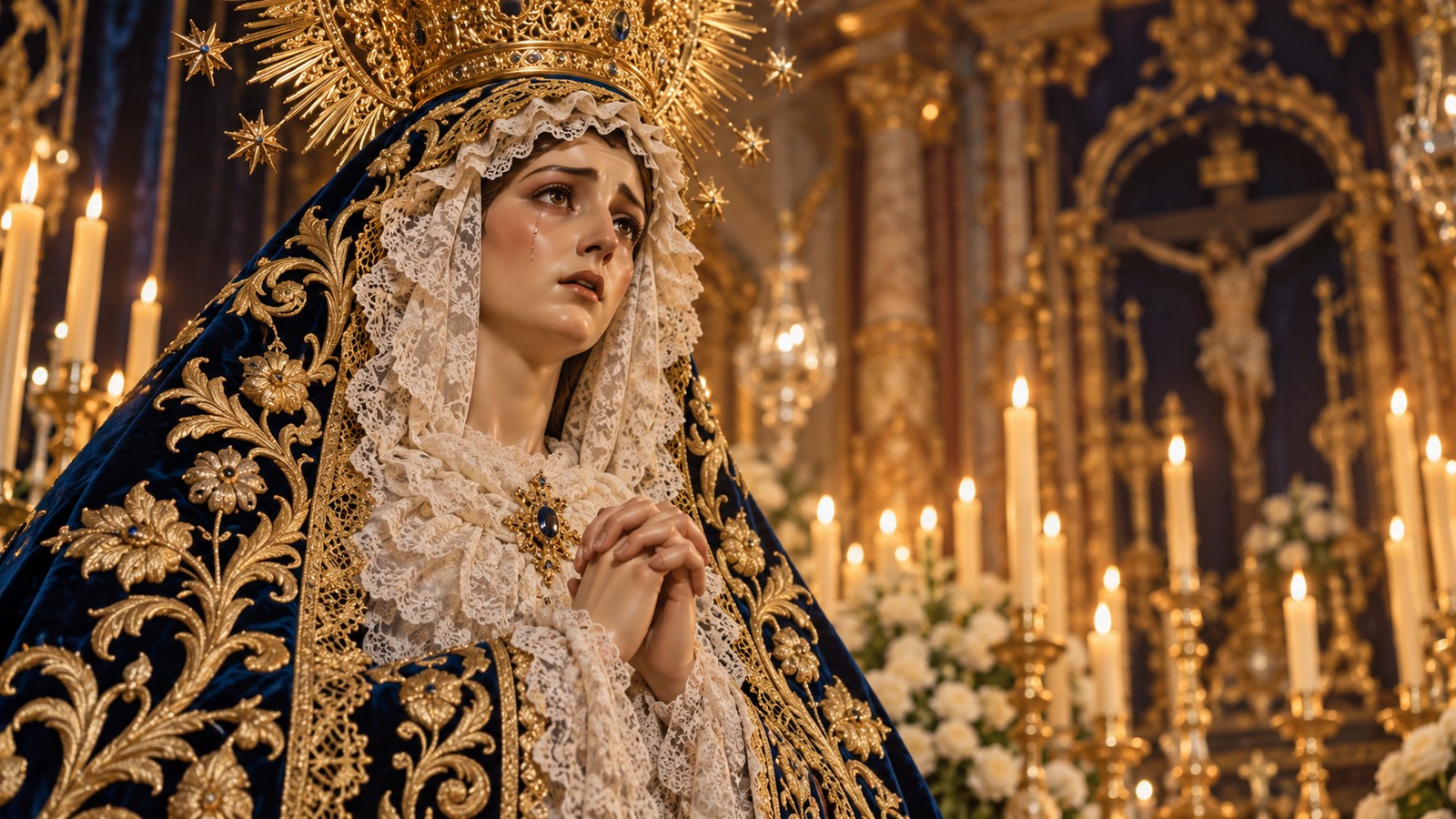
Our Lady of Sorrows in a blue mantle and crown.
AI-generated illustration; an artistic interpretation of Spanish Catholic tradition.

The Catholic Church is territorially organized into dioceses, each led by a bishop responsible for teaching, worship, and governance within his jurisdiction. Each diocese is in turn subdivided into parishes, which are local communities led by a parish priest. Dioceses may be grouped into ecclesiastical provinces headed by an archbishop, and into larger regions such as patriarchates or archdioceses.

Episcopal Conferences are bodies for collaboration among the bishops of a country or region. Although they do not possess the same authority as the Pope or ecumenical councils, episcopal conferences play an important role in pastoral coordination and in adapting the Church’s teachings to local circumstances.
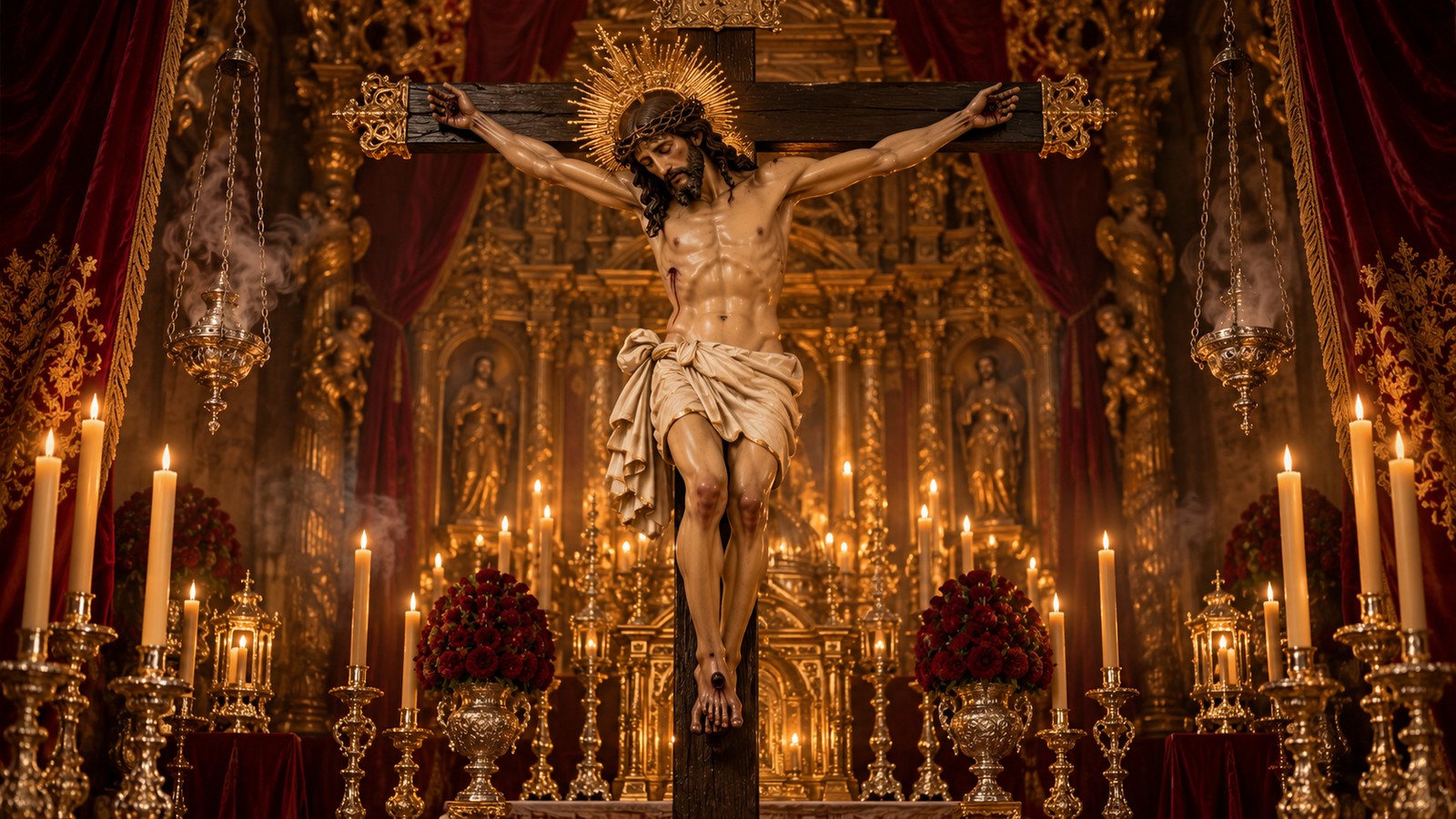
Christ on the cross, inspired by Spanish sacred sculpture, in a candlelit chapel.

This book is written from faith.

About this edition

A reflection written from Catholic faith on the history and life of the Church. The content and historical references of the 2024 manuscript are retained; this is not an official Church publication or an edition of the Magisterium.

The complete Spanish manuscript. AI-assisted English and Latin translations, awaiting professional linguistic and theological review.

The holy cards quote short biblical excerpts with book, chapter and verse. The Latin is checked against the Vatican’s Nova Vulgata; the Spanish and English holy-card texts are editorial translations.

AI-generated illustration; an artistic interpretation of Spanish Catholic tradition.

Download this language’s sharing image ↓

© Raúl Moreno Izquierdo · Contents