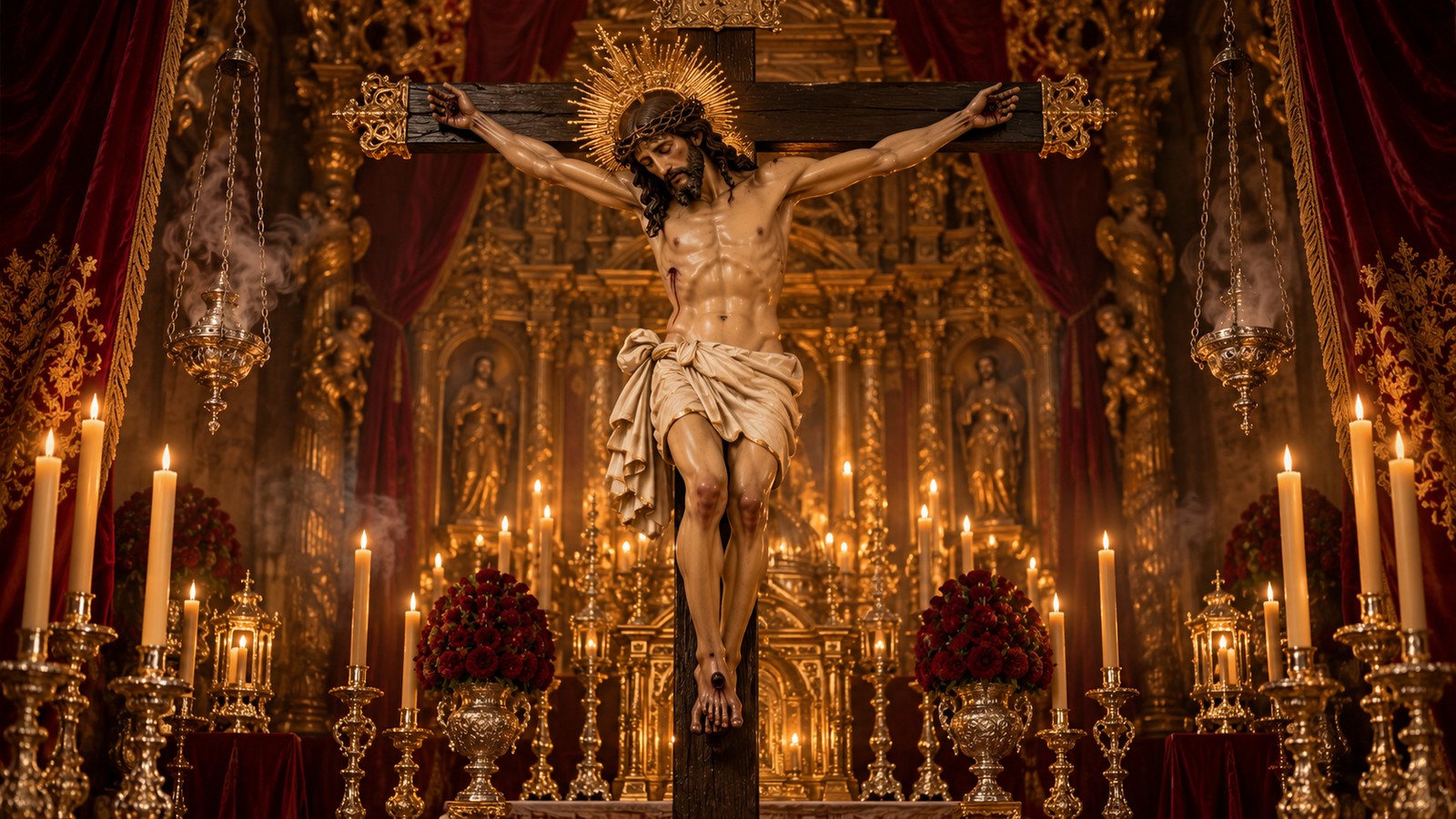
The Vatican, officially known as Vatican City, is the smallest sovereign state in the world and the seat of the Catholic Church. Covering just 44 hectares, the Vatican houses the main administrative offices and ecclesial bodies that coordinate the Church’s life worldwide. Although its physical size is small, its spiritual and political influence is immense.
The Pope and the Roman Curia: The Roman Curia is the collection of bodies that assist the Pope in governing the Church. It comprises several dicasteries, such as the Congregation for the Doctrine of the Faith, the Dicastery for Promoting Integral Human Development, and the Congregation for Bishops. The Curia administers everything from doctrine and liturgy to Vatican diplomacy and financial affairs. The Pope, as head of the Curia, has the final say in all decisions, but relies on a group of cardinals and advisers to govern the universal Church.
The Synod of Bishops: The Synod of Bishops is a permanent institution established by Pope Paul VI after the Second Vatican Council. Its aim is to foster greater collegiality and participation by the bishops in the government of the Church. Synods are convened regularly to discuss important topics, such as the family, young people, or evangelization. Although the synod’s conclusions are not binding, they offer recommendations that the Pope may adopt or modify in his documents.
The Secretariat of State: The Secretariat of State is the Vatican’s principal administrative body. It is divided into two sections: the Section for General Affairs, which handles internal administration, and the Section for Relations with States, which manages Vatican diplomacy. The Secretary of State is the second most important official in the Vatican, after the Pope.
The Vatican Bank and Finances: The Institute for the Works of Religion, commonly known as the Vatican Bank, has been a subject of controversy because of several financial scandals. Pope Francis has undertaken profound reforms to ensure transparency and ethics in Vatican finances, establishing new rules and oversight bodies to prevent money laundering and the misuse of resources.