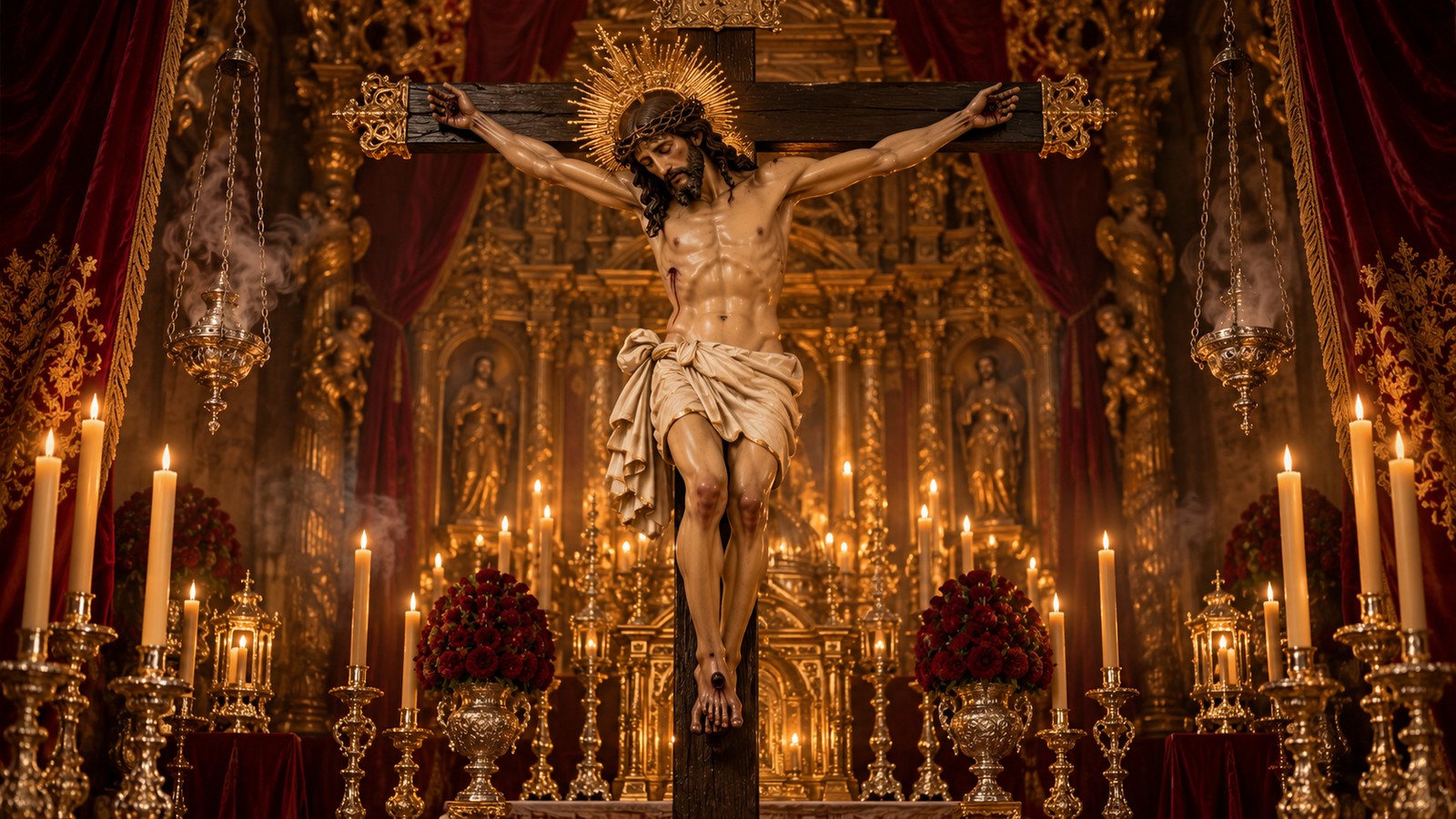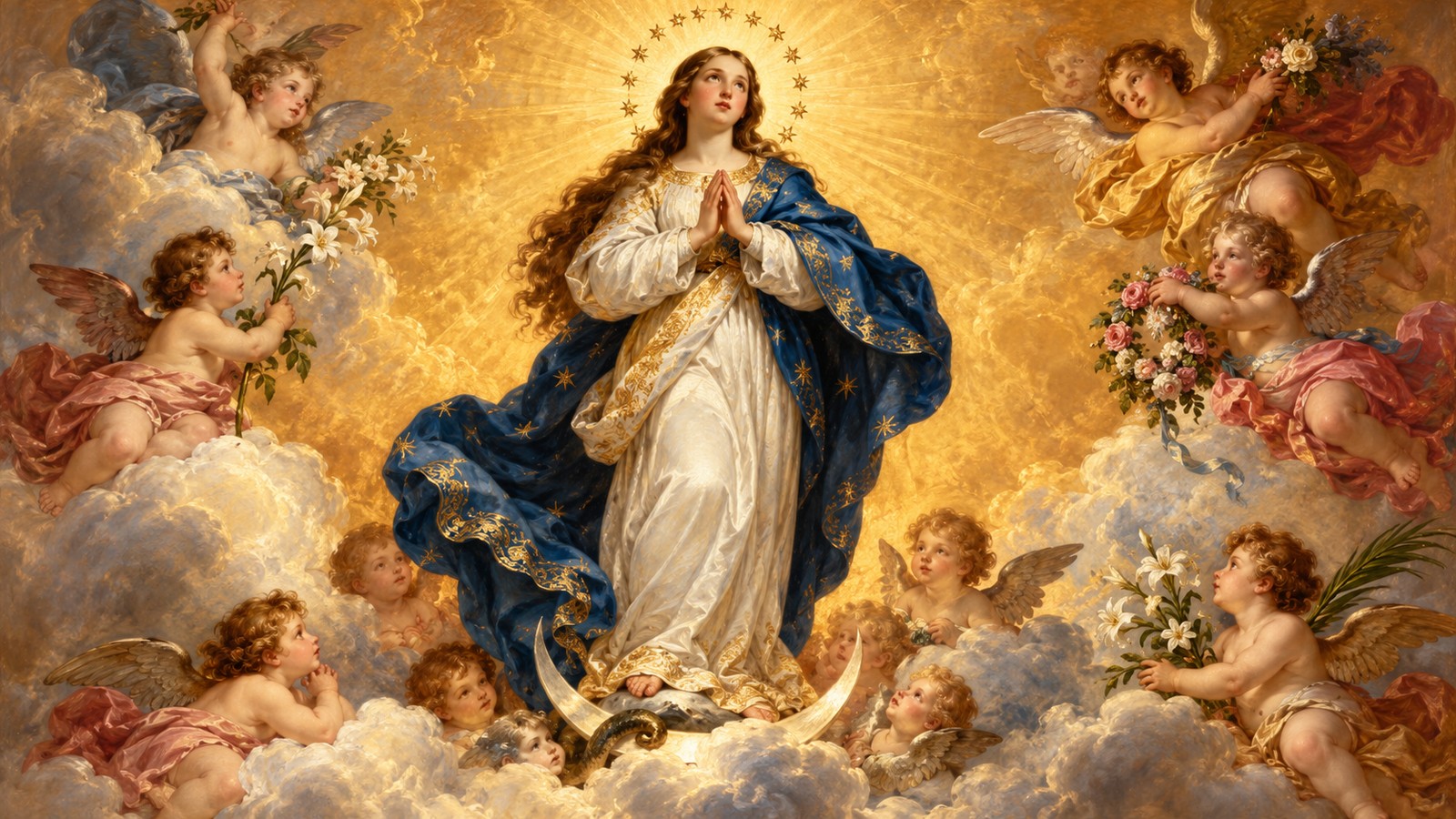
One of the most debated and misunderstood aspects of the Catholic Church is the question of its wealth. One frequently hears the argument that if the Church sold its artistic treasures and properties, it could solve world poverty. This view, however, simplifies a much more complex issue. The Vatican, with its impressive collections of art and architecture, is undoubtedly one of the wealthiest places in terms of cultural heritage, but this wealth is neither liquid nor easily convertible into money.
The Vatican's collections include works by Michelangelo, Raphael, Leonardo da Vinci, and other great masters of Western art. However, these treasures cannot be sold, because they form part of humanity's cultural heritage. Under Canon Law, the Pope is the custodian of these assets, not their owner. The value of these artworks is incalculable, not only in monetary terms, but also in their importance for the identity and cultural history of the Church and humanity.
Furthermore, the Vatican is also responsible for maintaining and preserving these assets for future generations. Saint Peter's Basilica, the Sistine Chapel, and the Vatican Museums require constant maintenance, financed mainly through visitors' admission fees and donations. This money is reinvested in preserving and restoring the heritage, as well as in the charitable and missionary works the Church carries out worldwide.
On the other hand, the Church owns properties in many major cities in Europe and Latin America. However, many of these properties do not generate income, but are used for pastoral, educational, and charitable activities. Hospitals, schools, seminaries, and shelters for those in need form part of the extensive social work carried out by the Church.
Regarding the Vatican's finances, the Holy See has made significant efforts to make its accounts transparent in recent years. The Institute for the Works of Religion (IOR), colloquially known as the Vatican Bank, has undergone internal reforms to combat money laundering and ensure transparency. Pope Francis has implemented policies of oversight and internal auditing, with the aim of ensuring that the Vatican's resources are used ethically and efficiently.
The myth that the Church could solve world poverty by selling its assets ignores the fact that most of its wealth is not in cash, but in real estate and nontransferable cultural heritage. Moreover, the Church is already one of the world's leading charitable organizations. Caritas, for example, manages projects in more than 200 countries, providing food, shelter, and education to millions of people.
The real question is not how much the Church possesses, but how it uses its resources to fulfill its mission of serving those most in need. The Church remains committed to the principle of the preferential option for the poor, defended both in Social Teaching and in the teachings of recent Popes.