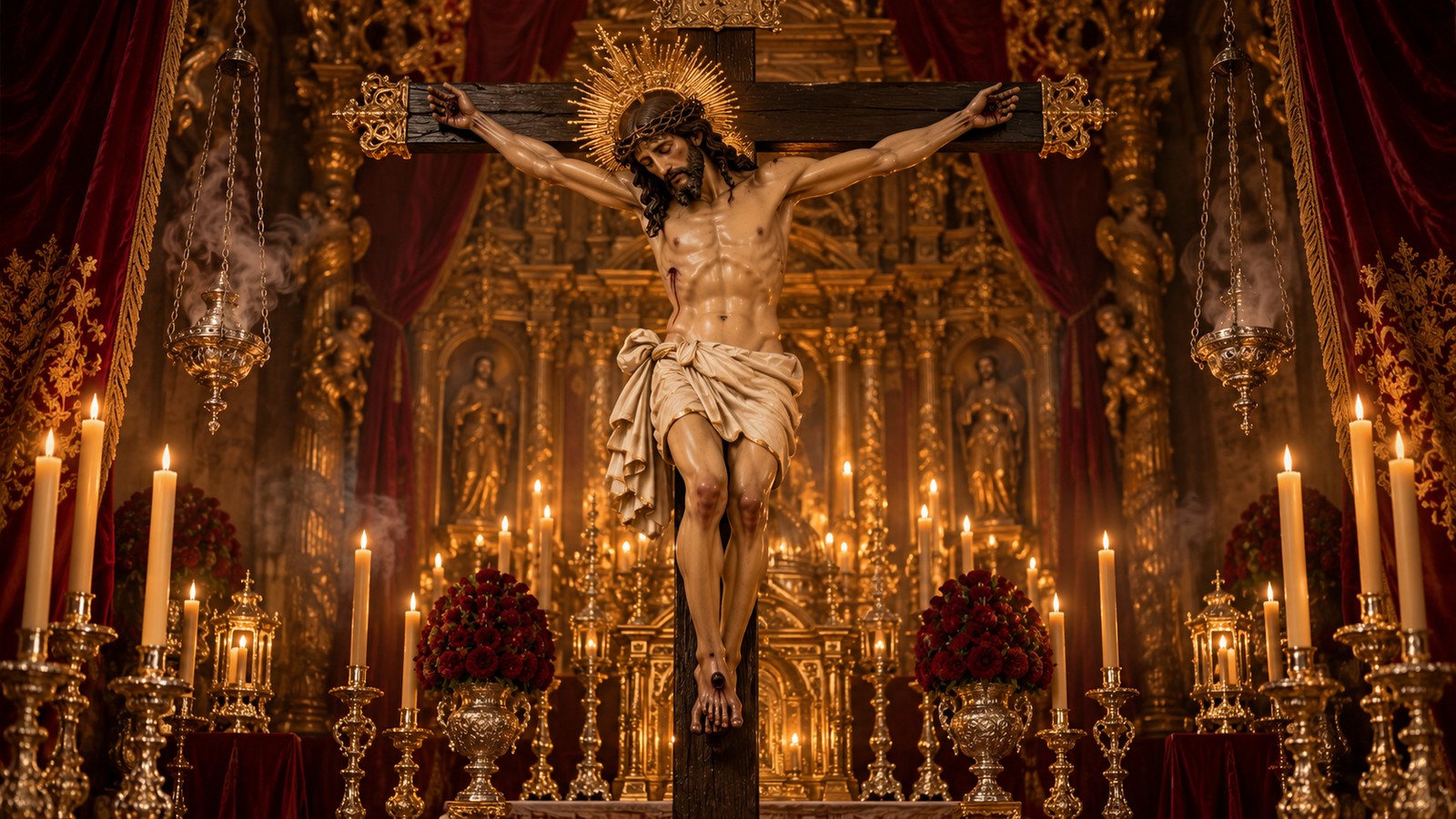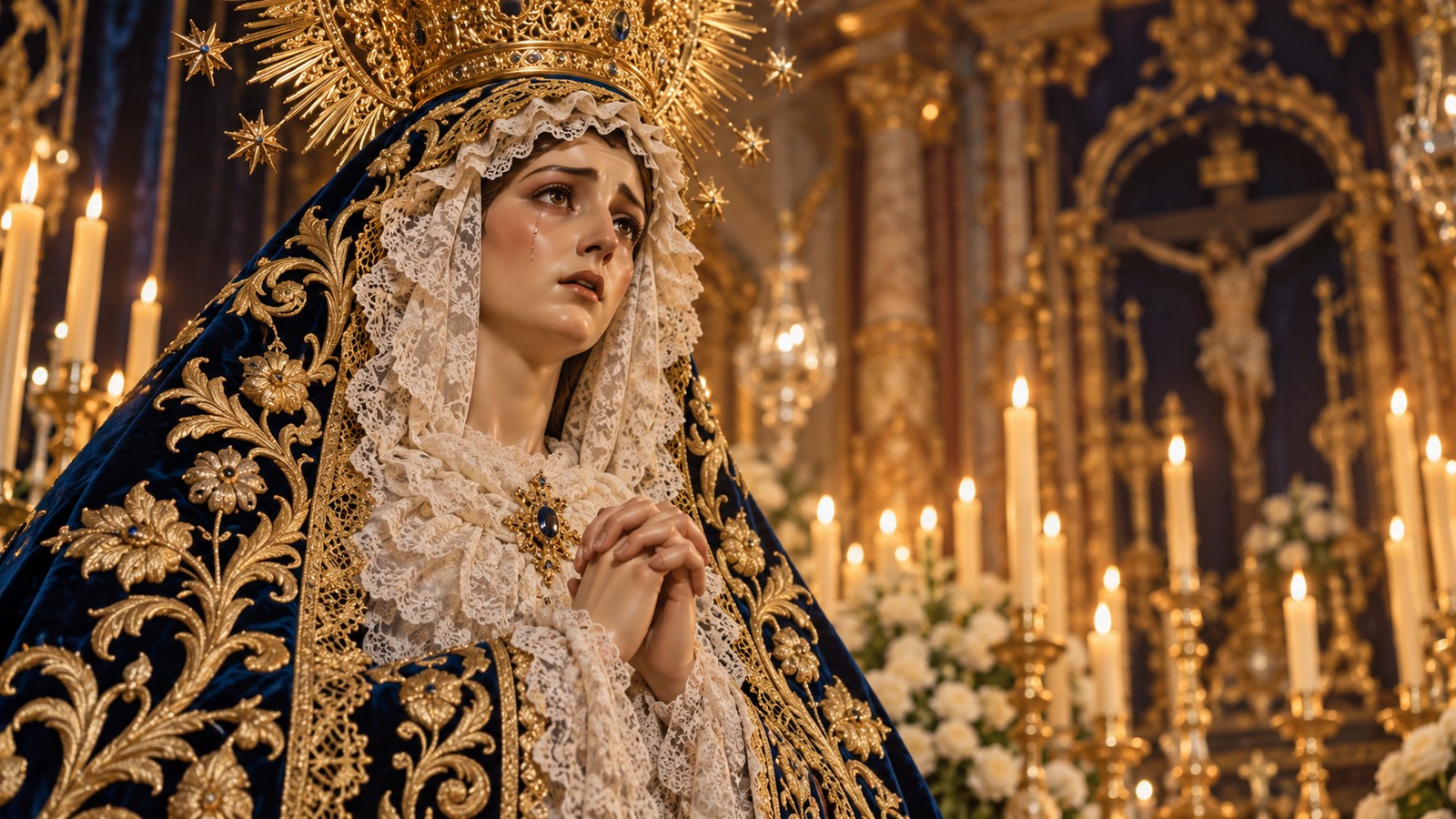
The East–West Schism, also known as the Great Schism of 1054, was an event that divided Christendom into two principal branches: the Roman Catholic Church, under the Pope's authority in Rome, and the Orthodox Church, headed by the Patriarch of Constantinople. This schism was not an isolated event, but the result of centuries of theological, liturgical, political, and cultural differences that had widened the gap between East and West.
Among the principal causes of the schism was the theological dispute over the 'Filioque.' In the Niceno-Constantinopolitan Creed, the original phrase stated that the Holy Spirit proceeds from the Father, but in the West the expression 'and the Son' (Filioque) was added without consulting the Eastern churches. Eastern theologians considered this addition an unacceptable alteration of the faith, because it implied a subordination within the Trinity.
In addition to this doctrinal difference, there were serious liturgical and disciplinary divergences. While clerical celibacy had become the norm in the West, in the East priests married before ordination. There were also disagreements about the use of leavened bread in the Eucharist and about final authority in the Church. The Eastern Christians saw the Patriarch of Constantinople as a primus inter pares, that is, first among equals, while the Pope of Rome claimed universal primacy.
The conflict reached its climax in 1054, when the papal legate Humbert of Silva Candida excommunicated Patriarch Michael I Cerularius in the basilica of Hagia Sophia. In response, Michael excommunicated Humbert and his companions, thus formalizing the rupture. Although both leaders died shortly afterward, the damage had been done, and the two Churches remained separated from then on.
The consequences of the schism were profound. Over the following centuries, attempts at reconciliation, such as the Council of Florence in 1439, failed. Mistrust between East and West intensified, especially after the Fourth Crusade (1204), when the crusaders sacked Constantinople, desecrating churches and destroying relics. This act left a deep wound in Orthodox consciousness that remains an obstacle to ecumenical dialogue today.
Nevertheless, despite the formal division, the two Churches shared many common beliefs and practices. Both venerated the Church Fathers, celebrated the sacraments, and maintained a deep devotion to the Virgin Mary. The schism was ultimately more a rupture of communion than an essential difference in faith.
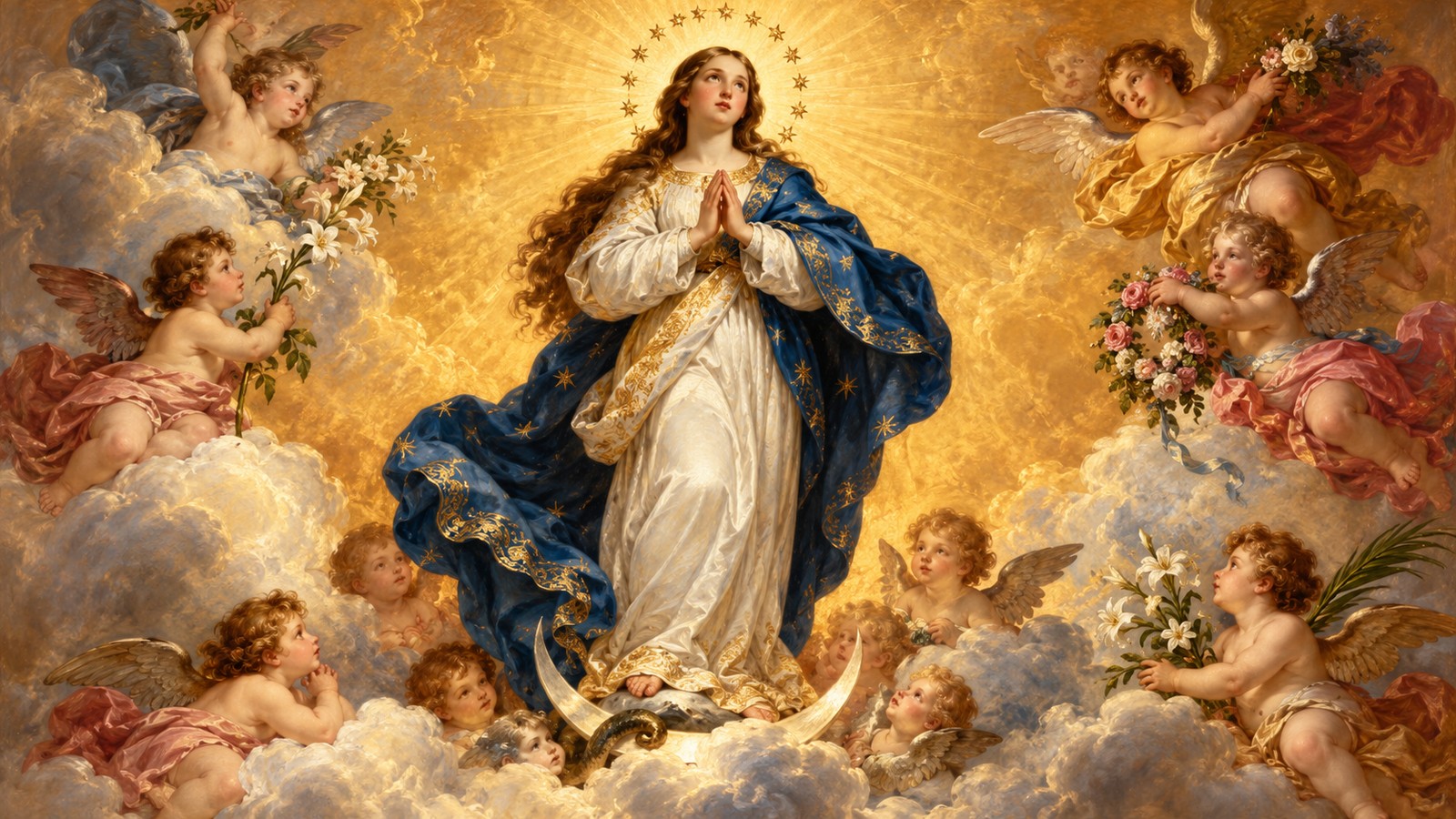
In the present day, recent Popes such as John Paul II, Benedict XVI, and Francis have made great efforts to restore unity with the Orthodox Church. Historic meetings with Ecumenical Patriarch Bartholomew I and other Orthodox leaders have demonstrated a renewed commitment to overcoming past divisions and working toward genuine reconciliation. Although full communion has not been achieved, there is an active theological dialogue and a desire to reestablish the Church's visible unity.