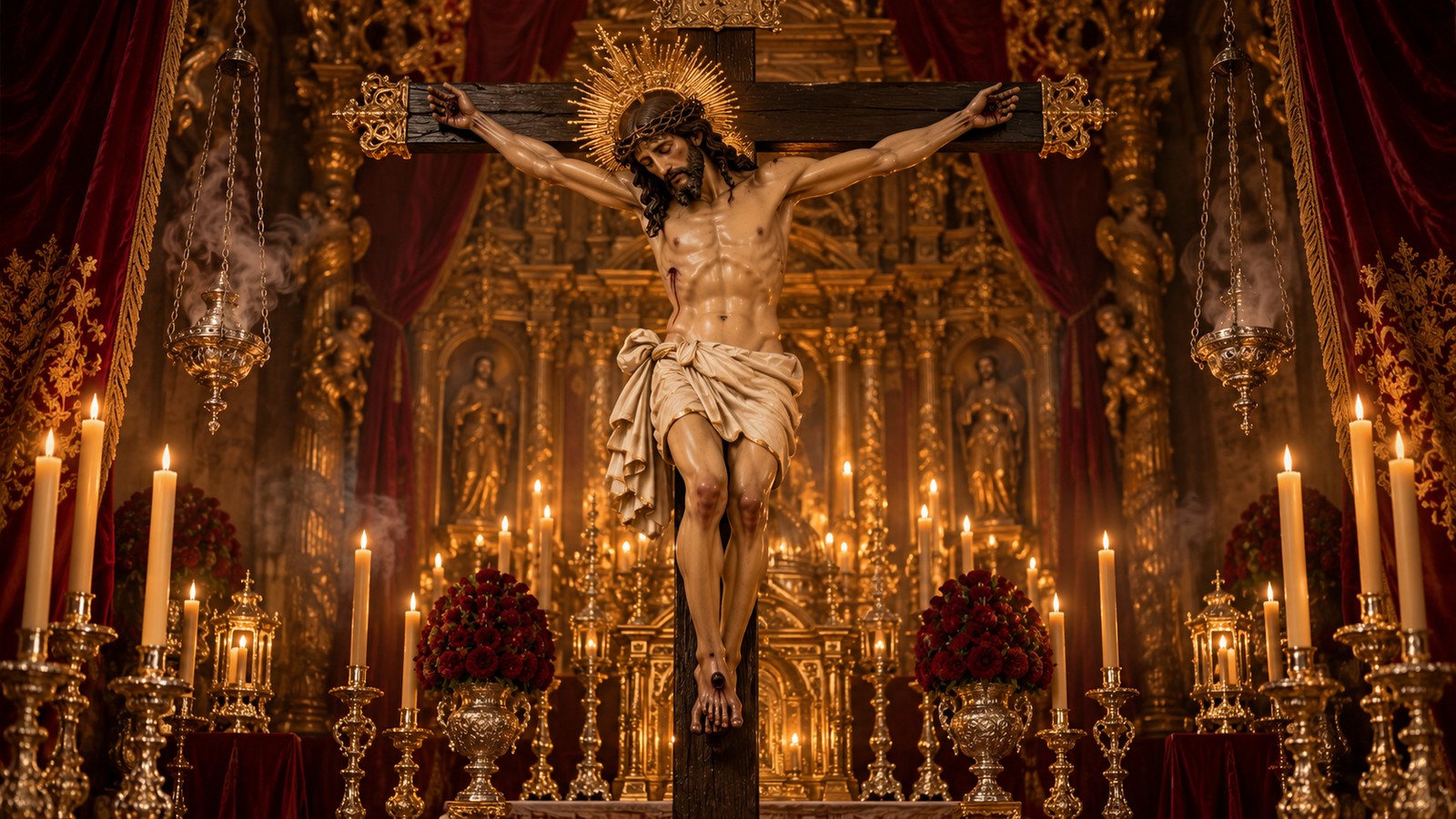
The Middle Ages were a period of great splendor for the Catholic Church, but also of profound challenges. With the fall of Rome and the rise of the barbarian kingdoms, the Church became the only institution capable of preserving classical culture and guiding the new European nations. Monasteries, founded by figures such as Saint Benedict of Nursia, became centers of learning, spirituality, and agriculture. Monks not only copied ancient manuscripts, preserving the knowledge of Antiquity, but also innovated in agricultural and social techniques.
The Church's power manifested itself in its ability to influence European politics. During this time, the Pope acted not only as a spiritual leader, but also as a key political figure. The papacy of Gregory VII (1073–1085) and his confrontation with Emperor Henry IV marked a high point in the struggle over lay investiture, that is, the question of who had the right to appoint bishops: the emperor or the Pope. This confrontation led to the emperor's excommunication and his famous journey to Canossa, where, according to legend, Henry stood barefoot in the snow for three days to ask forgiveness.
The Middle Ages, however, were not without crises. The arrival of Islam in the seventh century dealt a devastating blow to the Church, which lost much of its territory in the Middle East, North Africa, and Spain. Islamic expansion created a new religious frontier, prompting the reconquest in Spain and, eventually, the Crusades to recover the Holy Land. Although initially inspired by an ideal of liberating the Holy Places, the Crusades quickly became enterprises of political and economic conquest, leaving a legacy of bitterness and mistrust between Christians and Muslims.
Despite these conflicts, the medieval Church also experienced a period of great spiritual flourishing. Scholastic theology, represented by figures such as Saint Thomas Aquinas, attempted to reconcile reason and faith, developing a profound philosophical reflection that would influence Western thought to the present day. At the same time, Gothic art and the construction of great cathedrals in cities such as Chartres and Notre-Dame in Paris testified to the people's deep love and devotion toward God.
Nevertheless, the wealth and power accumulated by the Church during this period aroused criticism and calls for reform. The moral lives of many clerics left much to be desired, and the abuse of practices such as the sale of indulgences undermined the Papacy's credibility. In the fourteenth century, the Avignon Captivity and the subsequent Western Schism exposed the weaknesses of the ecclesiastical system, leading to widespread discontent and the emergence of pre-Reformation movements such as those of Jan Hus and John Wycliffe.